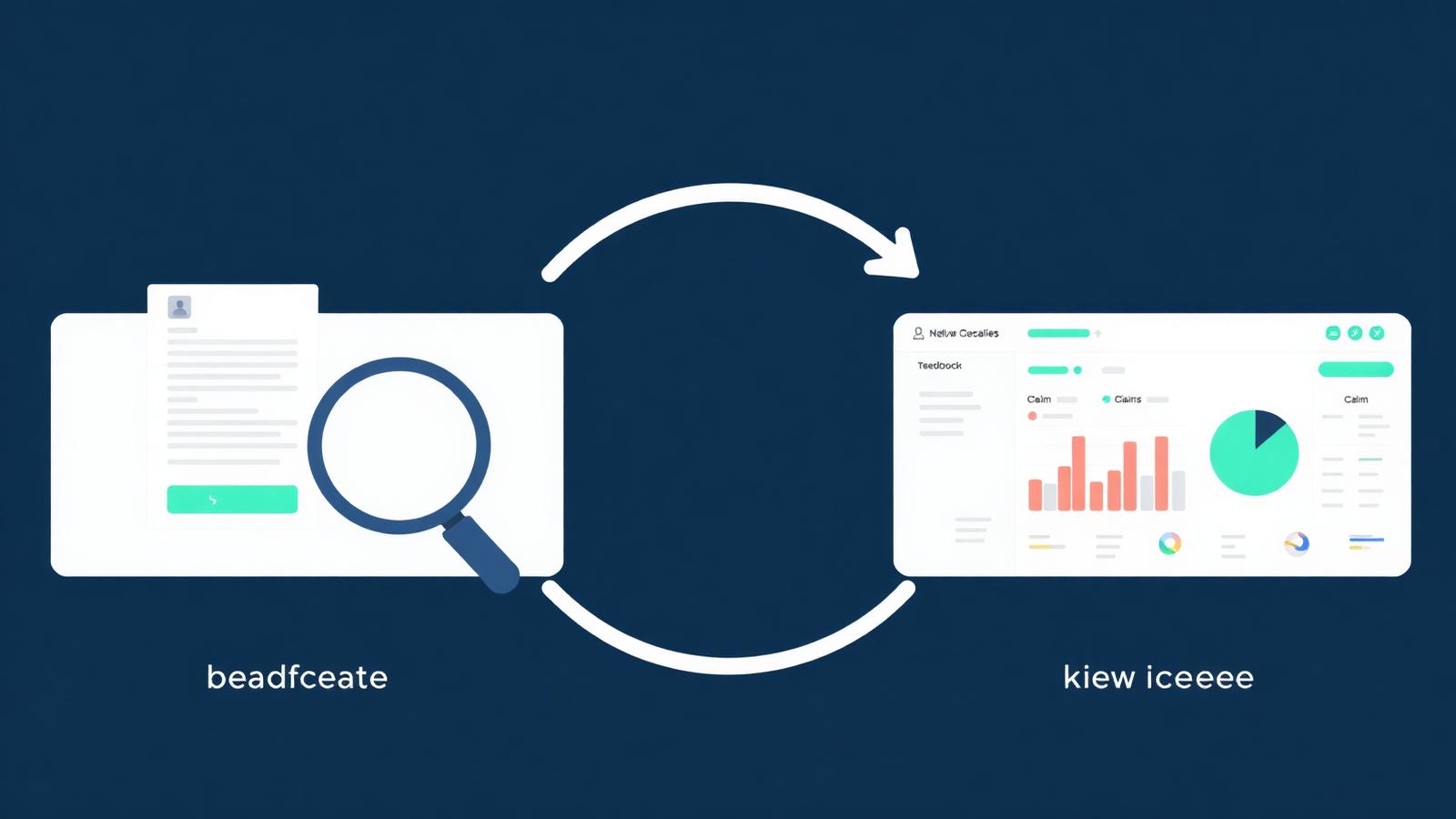
In healthcare billing, there are two moments when an organization can catch a problem with a claim: before it's submitted, and after the payer has responded. Both matter. Both require the right tools. And together, they form the foundation of a high-performing revenue cycle.
What Is Pre-Check?
Pre-check is the validation that happens before a claim leaves your system. It's the last line of defense against errors that cause denials — and the most cost-effective place to catch them.
A comprehensive pre-check process includes:
- Eligibility verification — confirming the patient is covered for the services billed on the date of service
- Code validation — ensuring diagnosis codes, procedure codes, and modifiers are accurate, complete, and payer-appropriate
- Authorization confirmation — verifying that required prior authorizations are in place and current
- Documentation review — flagging missing clinical notes or supporting records before submission
- Payer rule compliance — checking the claim against the specific editing rules of the payer receiving it
When pre-check is done well, the vast majority of claim errors never make it to the payer. First-pass acceptance rates rise. Denials fall. And the billing team spends less time on remediation.
What Is Post-Check?
Post-check is the analysis that happens after a claim has been adjudicated. It's not about fixing individual claims — it's about understanding patterns and improving systemic performance.
Effective post-check involves:
- Denial root cause analysis — categorizing denials by type, payer, provider, and code to identify where errors are concentrated
- Trend monitoring — tracking denial rates over time to detect emerging issues before they become expensive
- Appeals management — prioritizing which denials to appeal based on value and likelihood of success
- Process improvement feedback — using denial data to refine pre-check rules and coding workflows
Post-check transforms denial data from a record of failure into a driver of continuous improvement.
Why You Need Both
Pre-check without post-check is reactive — you catch errors today, but you don't learn from them. Post-check without pre-check is too late — you're always cleaning up after the fact.
Together, they create a closed-loop validation system: pre-check prevents errors at the point of submission; post-check surfaces the patterns that inform smarter pre-check rules going forward.
This is the model that Ai Medi Coder is built around — intelligent validation at both ends of the claims lifecycle, so that every claim you submit is as clean and compliant as it can be.