A denied claim is more than an administrative headache. It represents delayed revenue, increased operational cost, and — if not properly managed — potential write-offs that impact your bottom line. Understanding why claims get denied is the first step toward preventing them.
Here are the seven most common causes of insurance claim denials, and what your team can do about each one.
1. Eligibility Issues
The most preventable denial type. A patient's insurance coverage may have lapsed, changed, or been incorrectly verified at the time of service. Running real-time eligibility checks at every patient encounter — not just at registration — eliminates the majority of these errors before they reach the payer.
2. Incorrect or Mismatched Codes
ICD-10 and CPT codes must align with documented medical necessity. A diagnosis code that doesn't support the procedure billed is a red flag for payers. AI-assisted coding tools can cross-reference codes against payer policies in real time, surfacing mismatches before submission.
3. Missing or Invalid Modifiers
Modifiers provide critical context to payers about the nature of a service. Omitting a required modifier — or using one incorrectly — can result in an automatic denial. Building modifier validation into your pre-submission workflow ensures this is caught consistently.
4. Authorization Not Obtained
Many procedures require prior authorization. Submitting a claim without the appropriate authorization reference, or after an authorization has expired, leads to predictable denials. Proactive authorization tracking integrated with your scheduling system prevents these gaps.
5. Duplicate Claims
Submitting the same claim more than once — whether due to a system error or manual resubmission without proper tracking — triggers automatic rejection. A claims management system with duplicate detection flags these before they hit the payer.
6. Timely Filing Violations
Every payer has a filing deadline. Missing it, even by a day, can result in a denial that is nearly impossible to overturn. Tracking submission windows by payer — and building in alerts well before deadlines — keeps your claims compliant.
7. Incomplete Documentation
Payers increasingly require clinical documentation to support the services billed. Claims submitted without adequate documentation to demonstrate medical necessity face scrutiny and denial. Documentation checklists tied to specific procedure types ensure completeness before submission.
Prevention Over Remediation
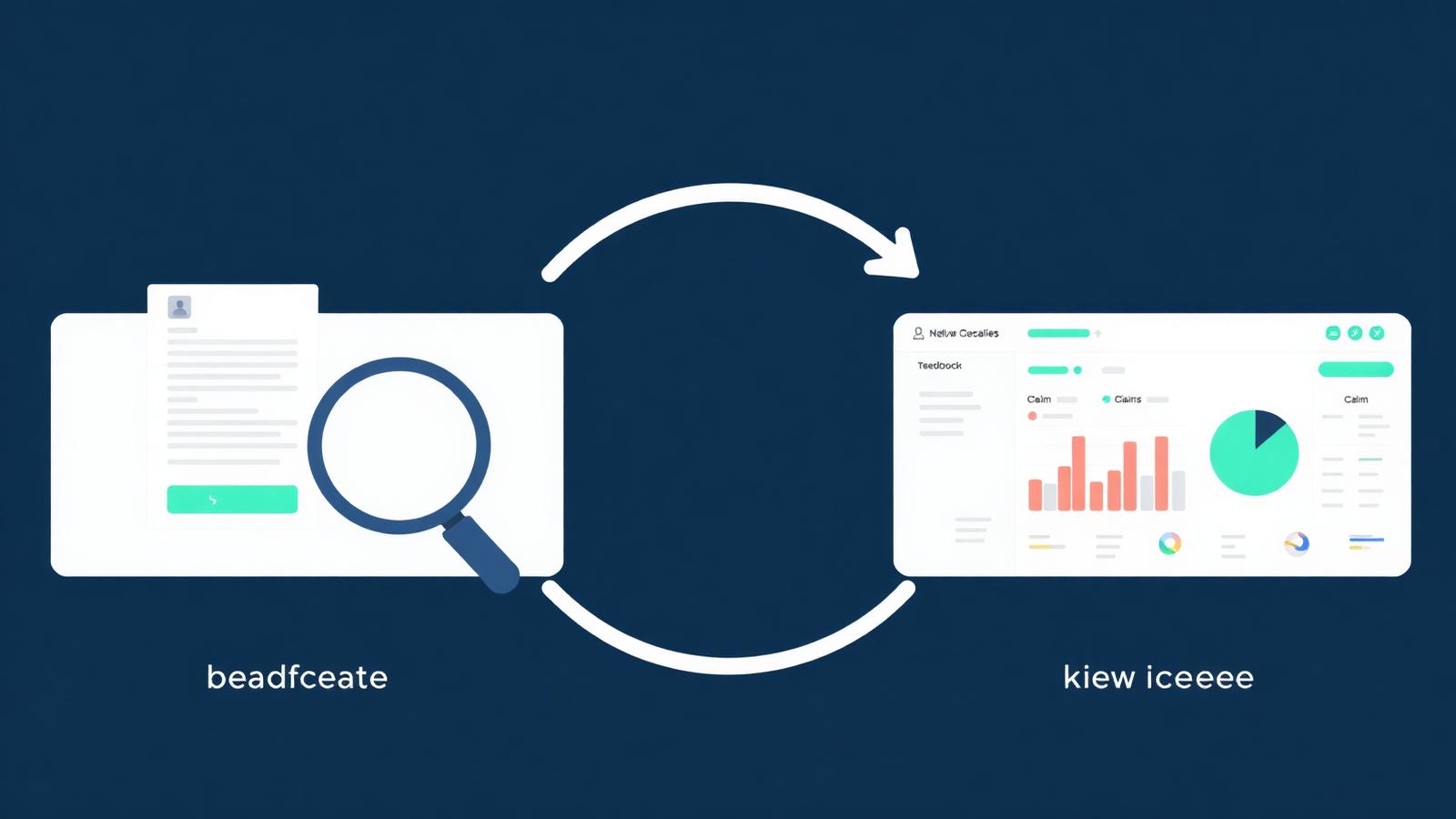
The common thread across all seven causes: they are largely preventable with the right processes and tools in place. AI-powered pre-check systems that validate claims against payer-specific rules, eligibility data, and coding guidelines can intercept the majority of denial-causing errors before they ever reach a payer.
The goal isn't just to appeal denials faster — it's to stop generating them in the first place.